
Hunger as Control
The pressure to be thin isn't trivial
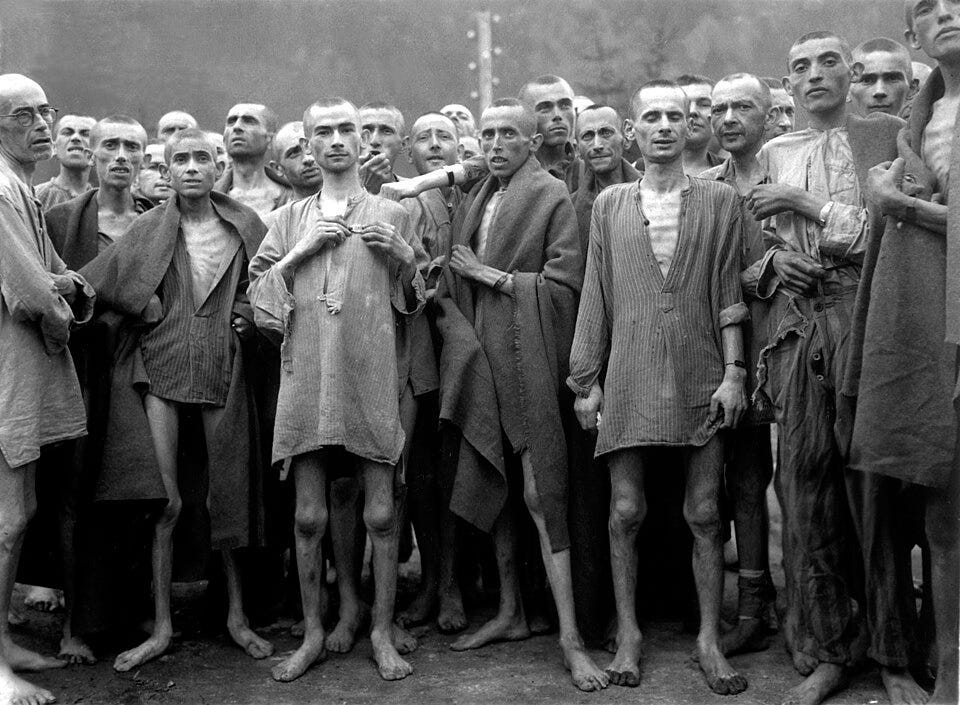
In Soviet Russia, prisoners were grossly underfed in forced labor camps called Gulags. Again, in Nazi Germany, Jewish prisoners were starved. This hunger seemed to serve a dual purpose. With underfeeding, fewer resources needed to be procured. Additionally: starving prisoners are easy to control. They are tired, they can’t fight back, and they can’t run away.
They can’t work at maximum capacity, either — in these cases, the capacity to control and exploit took precedence.
I see the same control strategy, more subtle but also more pernicious, in American ideals for White women’s bodies. It would be easy to mistake beauty norms — cyclically shifting, like names or cars or clothing — as an unfortunate but ultimately shallow kind of decoration. But, as many have already pointed out, these cycles are not random.1
Rather suspiciously, they frequently align with or follow significant feminist wins:
First Wave: After suffragettes worked tirelessly throughout the 1910s, women gained the right to vote in 1920. In the 1920s, skinny bodies were deemed beautiful. This was the so-called flapper era. At the same time, wealth inequality increased dramatically, inspiring The Great Gatsby. Women were undereating, and capitalism was ramping up. The feminist movement continued. Women gained greater social and sexual freedom.2
Second Wave: Second wave feminism flowed through the 1960s and 1970s. The birth control pill became available in 1960. Kennedy signed The Equal Pay Act in 1963. Title IX was passed in 1972, and Roe vs. Wade was decided in 1973. Yet, in the 60s and 70s, Twiggy was on the scene. A generalized skinny ideal persisted throughout these two decades. Like the 1920s, the 1970s saw increased social and sexual freedoms for women.
Third Wave: The early 1990s cemented third wave feminism. Intersectionality came into the scene, and 1992 is famously deemed The Year of the Woman. The number of women in the U.S. Senate tripled. Woman-forward media expanded. In 1993, marital rape was finally made illegal in all fifty states. At the same time, heroin-chic became a global phenomenon. In 1998, the bar for having an “overweight” BMI shifted from ~27 to 25, for reasons that didn’t have much basis in health data. Despite increasing obesity rates, skinniness continued to be popular into the early 2000s. Among celebrities, hip bones flourished.
The pattern of skinnification following activism has persisted to the present day.
Skinny beauty ideals alongside fourth-wave feminism
We now live within the second act of fourth wave feminism, which has run through the 2010s and 2020s.
The 2010s saw the Body Positivity Movement. During this period, feminism became popular and marketable. Being a Girlboss was in. So-called “hookup culture” peaked. Blogification democratized — and, in some ways, diluted — various feminist ideologies. Delightful new terms, such as “mansplaining,” “manspreading,” and “slut shaming,” grew and prospered. LGBTQ+ acceptance increased dramatically. Awareness of intersectionality grew, and it became common to talk about racist microaggressions, such as the entitlement people feel to touch Black women’s hair. It felt, at the time, as though we had made it. It seemed like we were close to the end of history.
In 2017, the #MeToo Movement shattered the illusion of completion. It became clear — to many men, for the first time — that sexual assault is painfully common.
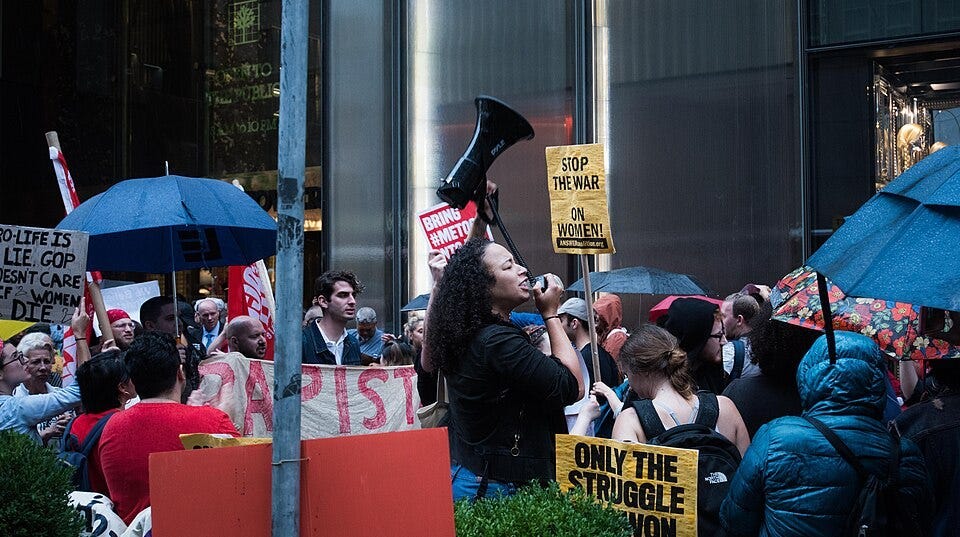

Famous men got outed. People debated about what we should do, and who we should forgive. In alignment with this, the Black Lives Matter movement peaked in 2020, when George Floyd was strangled by a police officer on camera. Black Lives Matter shrunk in 2021. The Body Positivity Movement retreated in 2022. Women’s bodies followed. Slowly, thin began to creep back in.
Since the 2020s, feminism has shifted to include a stronger anti-capitalist bent. There’s a backlash — which I, personally, deem excessively strong — against Girlboss feminism. Bucolic tradwife content has grown like ivy on our online ecosystem. Trump is stumbling through his second term, and in early 2026, the Epstein files were released. It became clear that powerful men had been taking advantage of children and teenagers for decades.


Now, more than 50% of women identify as feminists. At the same time, there is a festering anti-feminist backlash among young men. At the same time, talking heads preach patriarchal values. At the same time, AI servants take on a feminine likeness. At the same time, celebrities are skinnier than ever.
GLP-1s in the 2020s
GLP-1s came onto the popular stage in the 2020s. No one was forced to reach a starvation-sheek aesthetic, via these fun new drugs. Yet, some have gone for the look, regardless. The past year has been particularly bad. I’m saddened to see some popular figures begin to take on a likeness not completely unlike concentration camp victims.3
As of mid-2026 Ariana Grande, Cynthia Erivo, Demi Moore, and Olivia Wilde all show pronounced chest bones. They exhibit temporal wasting (i.e. sunken temples), which is a classic signal of malnourishment. They don’t quite look like concentration camp victims — but they aren’t all that far off, either. Perhaps the loud glamour of the red carpet — consisting of hair extensions, glitter, black eyeliner, limousines, lipstick, and experimental modern silhouettes — works to conceal a vivid lack.

GLP-1s enable this shrinking, but they do not fully explain it. These drugs have been accessible to celebrities since the early 2020s. But, as of 2026, the bony smallification has grown quite a bit more pronounced. Why? When I ask this, one word sticks out.
Control
Starvation — and, to a lesser degree, general thinness — makes people more controllable, for obvious reasons. Low-BMI individuals are less equipped to physically defend themselves, in general. They have reduced muscle mass; high muscle mass and an underweight BMI are incompatible (in fact, many fit-looking athletes are overweight by BMI). Starving comes with its own set of symptoms: frailty, low energy, brain fog, anxiety, low emotional regulation, cerebral atrophy, cognitive rigidity, obsessive food preoccupation, and social withdrawal.
These symptoms occur regardless of circumstance. They don’t recede at the sight of a red carpet. And I venture to say they might dissuade someone from starting a feminist movement. Similarly, running for office or writing a novel would be off the table.
It goes without saying that being a celebrity is extraordinarily different than being Jewish in Hitler’s Germany. The social conditions that coerce hunger are not the same, in each case. In concentration camps, prisoners starve due to physical force, walls, gates, deprivation, inadequate clothes for harsh weather, and isolation. These are blunt mechanisms of control.
The mechanisms that might encourage modern, well-off women in the US to starve themselves are more amorphous; a hodge-podge of social incentives, pressures, and influences are at play. Affected individuals have relevant autonomy. Most women at least appear to have choice in whether to starve themselves or not, and choose not to.4 But the scope of the pressure is immense. It impacts the entire population, to a greater or lesser degree.
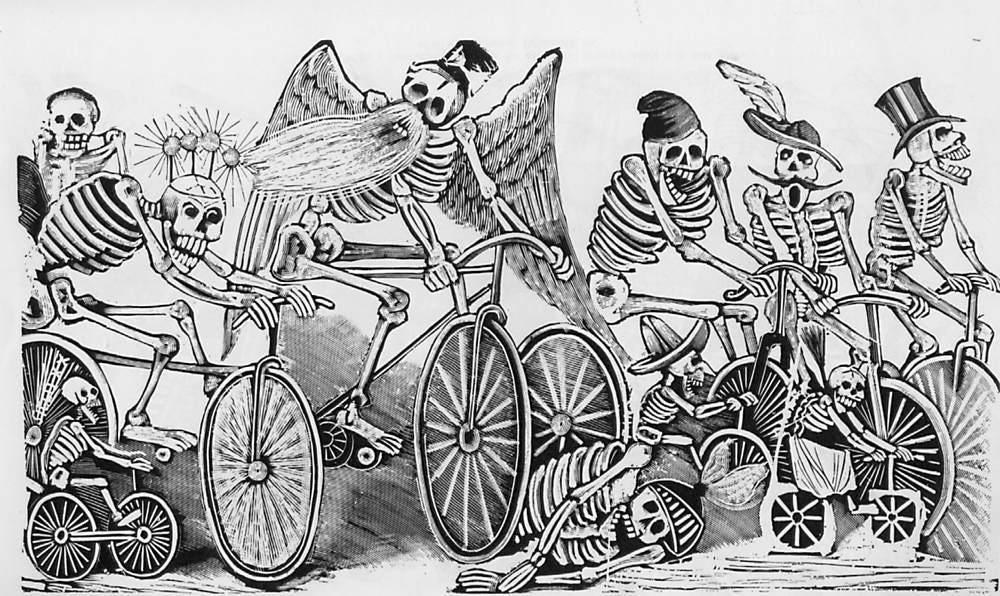
Among these social pressures, we should list the ordinary culprits: media, parents, peers, and employers. The media can define and show what is desirable. Parents pass on intergenerational narratives about what makes women worthwhile. Peers can exclude. Employers can and do chronically underpay on the basis of arbitrary traits. These are informal social control mechanisms.
Some of these mechanisms might seem subtle, at first glance. Compliments, for example, can be controlling. Calling compliments a “mechanism of control” might seem to be an overreaction. But if a little girl is only praised for her beauty or meekness, what do you reckon that does to her sense of self?
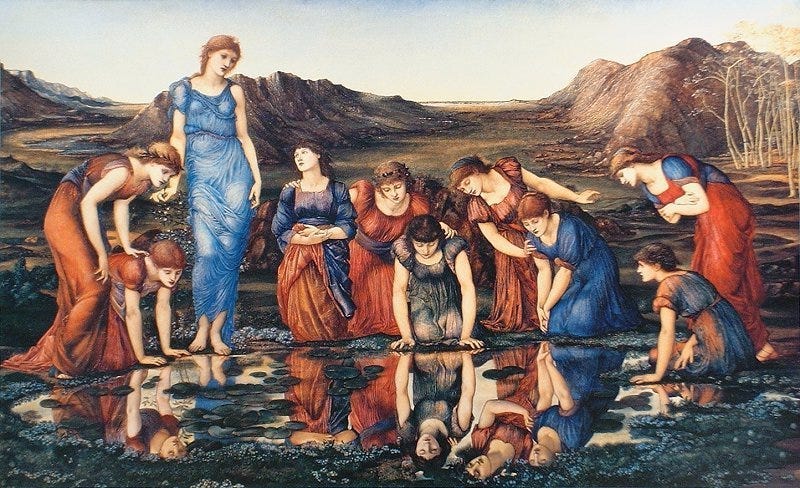
The conglomerate of compliments over time has causal weight, alongside overt violence, media pressure, and employer discrimination.5 The strength of these mechanisms varies by subculture. In Mormonism, women are taught they cannot get into heaven without attracting and keeping a man. In this pursuit, their beauty is valued above all else.
This includes thinness. Before ex-Mormonist Jennie Gage left the church, she spent quite a lot of her cognitive effort moderating her own appetite for the sake of maintaining a skinny ideal. In a YouTube video about beauty standards within the Mormonism, she says:
The quest to be thin wasn’t just a hobby. It wasn’t just a passive interest of mine. My entire life—and eternity—depended on it. Inside the Mormon church, we had a belief that man and women couldn’t go to heaven without one another. To be in the highest degree of the celestial kingdom, which was everybody’s goal—to become like God—you had to be married, with the new and everlasting covenant.
Gage reports that, in her church community, women who failed to meet these strict beauty standards were socially excluded. To a lesser degree, this is true everywhere. The incentives that drive women to stay skinny, wear makeup, buy designer clothes, get hair extensions, get plastic surgery, etc. are real — they don’t amount to mere vanity.
The cost of pursuing these things is also quite real. Time spent counting calories is time not spent learning, engaging in activism, or leaving an abusive spouse. If restriction is extreme, the brain fog of starvation is thrown into the mix of downsides. Both literal and metaphorical muscle whither.
Proposed mechanisms from feminist wins to skinny beauty ideals
Earlier, I pointed out a striking correspondence between landmark feminist wins and a return to skinny ideals. But I admit I’m a little fuzzy on which causal, systemic mechanisms would lead to a change in ideals following these rapid social transformations. If anyone would like to comment on this, I would appreciate it.
I do have useful speculation. I believe the pressure to be extremely thin is part of the standard pushback against feminist movements. Anti-feminist backlash has existed for as long as feminist movements have occurred. As the optimist says, life is a dance: “Two steps forward, one step back.”
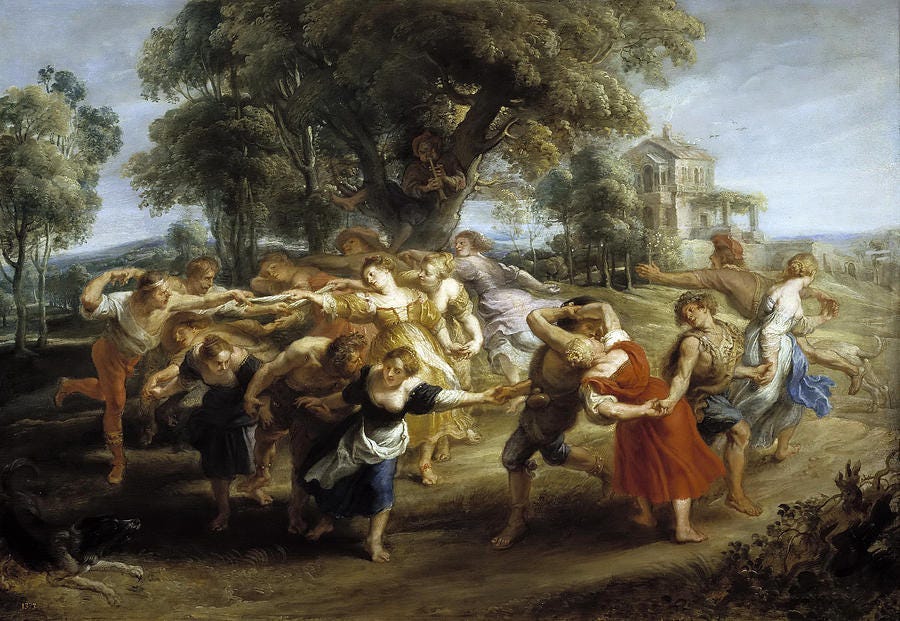
Change has a habit of being uncomfortable. It may be that, when it becomes more acceptable for women to be in power, people of all backgrounds and stripes experience heightened discomfort when viewing the resultant powerful women. Discomfort with female power is a well-documented phenomenon. For example: politicians are perceived either positively or negatively for seeking power, depending on gender. Which gender is rewarded for power-hungry tendencies — and which is not — should be evident.
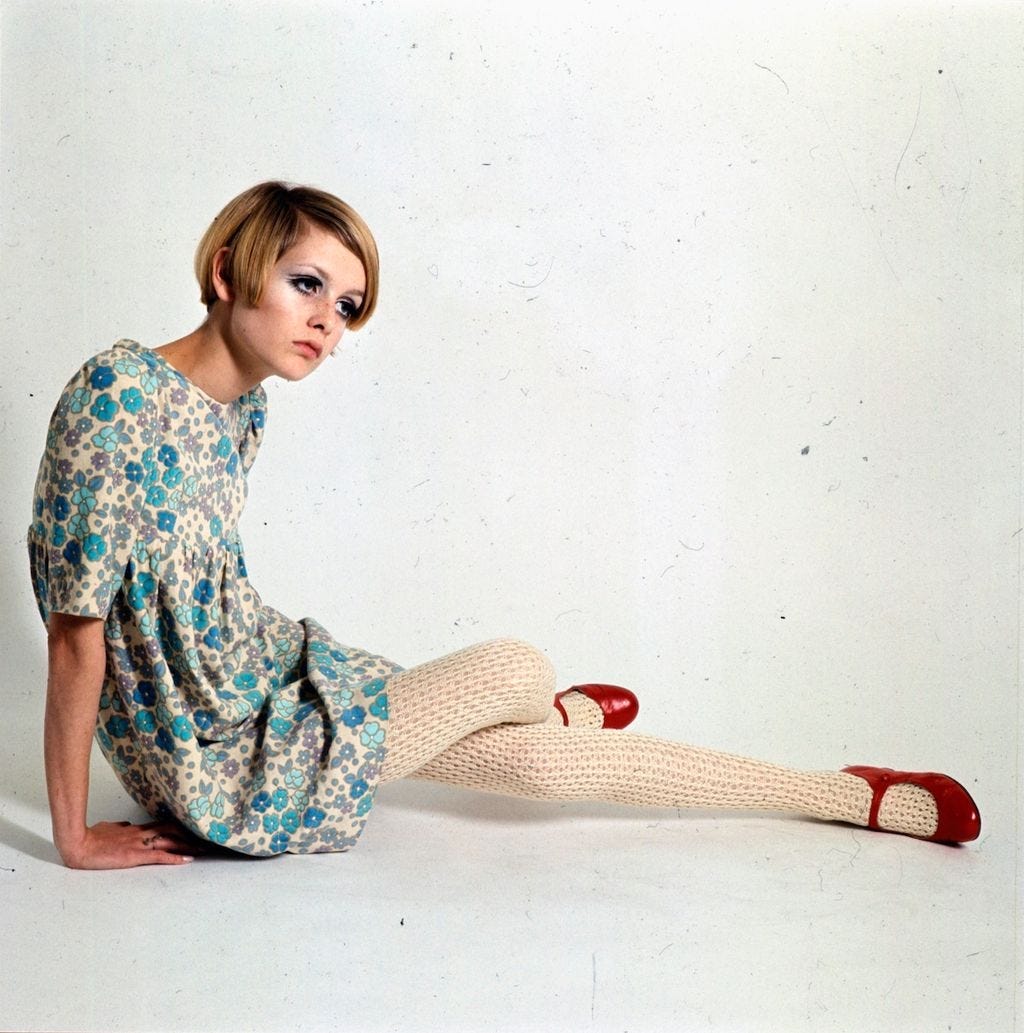
Perhaps this discomfort subtly increases the desire within individuals to watch women who appear weak, girlish, and submissive. Skinny, wide-eyed celebrities have an excessively youthful appearance. Twiggy, for instance, looked childlike. She had big, kid-like eyes, and long, kid-like limbs. Ariana Grande also seems childish. After losing weight, she has adopted an uncharacteristically sweet, innocent persona.
If the desire to see mirages of passivity and innocence increases within many individuals, the in-demand aesthetic itself might shift.
Celebrities change themselves for exposure, on the basis of these subtle desire shifts in their audience. Women see the celebrities. Women want to mirror the celebrities, and attempt to do so, with varying degrees of success. The popularity of various celebrities grows or wanes on the basis of the desire zeitgeist. When a celebrity is popular, more people see them, and revise their concept of desirability to fit. It’s all a vicious cycle between gazers and those who are gazed at.
In short, I propose the following factors are among the mechanisms that lead feminist wins to thinness:
Discomfort is induced by social change
Viewing choices are altered towards weakness due to this discomfort
Celebrity presentation is warped to cater to altered audience preference
Celebrity popularity grows or wanes on the basis of viewer preference
Viewer behavior changes to mimic popular celebrities
Viewer preference is further altered by what is shown to be popular
Repeat
I’m not married to any one mechanism.6 But I believe the suggestion I offer here is, at the very least, somewhat plausible. It might be part of the bigger causal pie.
A call to keep the self big
Those with female bodies generally have less upper body strength than those with male ones. But choices are still quite relevant. People of either gender who choose to prioritize strength are less physically vulnerable.
But when I suggest the self be big, I don’t only mean the body. We’ve recently been inundated with a glaringly neutral, beige aesthetic. It leaves little room for creativity and self-expression. In response, I’d like to offer up a general call to not shrink — to be weird, disagreeable, annoying, sturdy, opinionated, inconvenient, and loud.
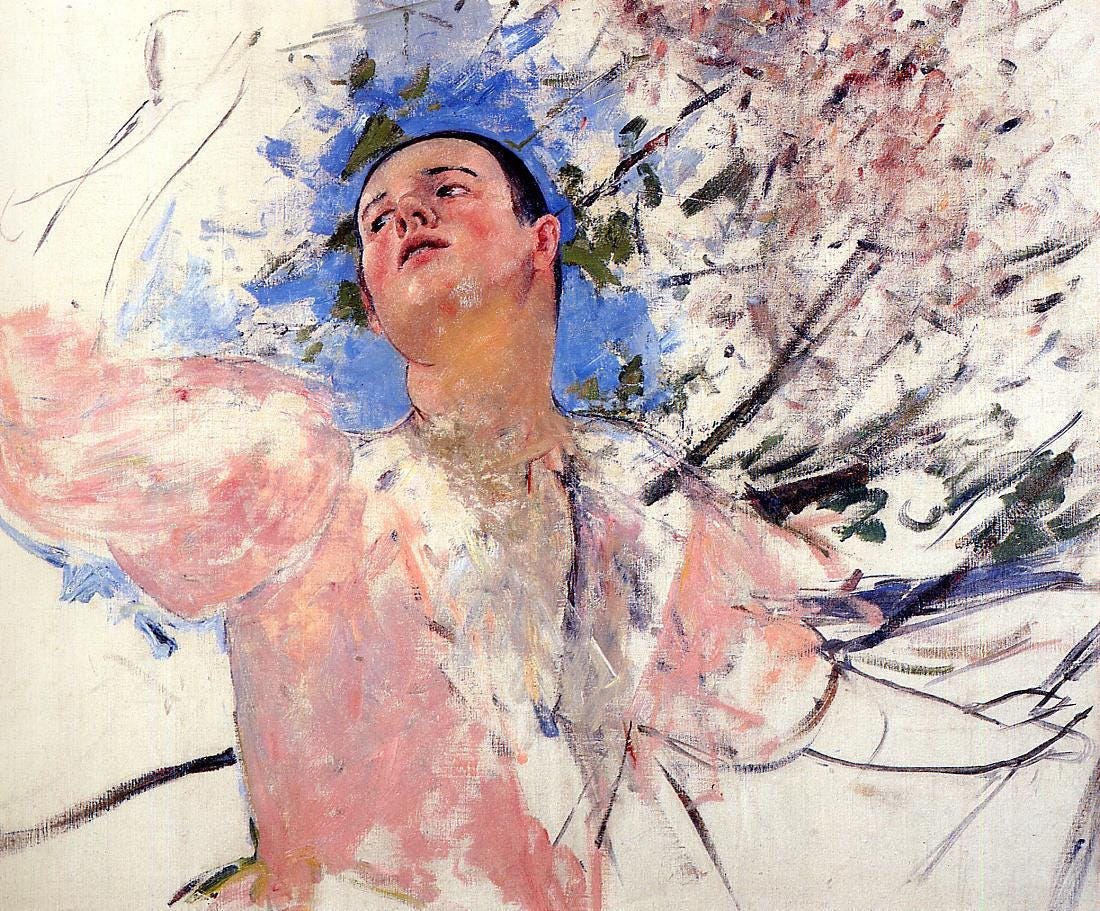
A poem called “Close Your Legs And Cross Your Ankles” has been bookmarked on my browser for a few years. It’s published by Rejection Letters, and authored by Leigh Camacho Rourks. In this segment, she evokes the unwillingness to be small:
I am the Atlantic, I carve land and birth islands and float ships and I drown men and I drown women and I drown you, too. I am not afraid, you listenhere. I will not be smaller and smaller and smaller. I will not be small. I cannot be contained, I am forest. I am unsafe for you, you listen here. I am a black hole and I eat and eat and eat, I crunch light in my teeth and exhale darkness and I grow and I am not afraid. My mark is strong. I spread wide.You listen here, I will not be crossed and folded. I will not be shaped to suit the size of a thing, not a house, not a rule, not a cupboard, not a drawer, not a form, ideal. I will not dainty to fit. I will not meek for you.I will not afraid.
As Naomi Wolf pointed out in The Beauty Myth:
"A culture fixated on female thinness is not an obsession about female beauty, but an obsession about female obedience. Dieting is the most potent political sedative in women's history; a quietly mad population is a tractable one."
I discuss the idea of sexual freedom here: Sexual Empowerment in Patriarchy
I realize it might be somewhat contentious to compare modern-day celebrities to concentration camp victims. There is a common cognitive bias related to this: if two things are said to have one trait in common, listeners sometimes assume the speaker intends to convey that the two things have more traits in common that the single listed trait. But mentioning a feature that modern-day celebrities and concentration camp victims share is not the same as calling their conditions morally equivalent, or equal in severity.
I say, “at least appear,” because I’m somewhat agnostic about the degree to which we should consider celebrities free, despite their luxurious lives. In a sense, they seem more mentally restricted than average people. It might damage their careers to speak honestly.
The philosopher Jules Holroyd wrote a book called Oppressive Praise. It explores how praise can, in some contexts, function to control and suppress.
I suspect racism is also at play. In the United States, a skinny beauty ideal originally functioned to differentiate White women from Black women. Curviness was associated with Blackness. Perhaps, after a feminist win, people who implicitly hold White-supremacist ideologies prefer to support White-coded forms of beauty as a means of taking comfort in their Whiteness. This suggestion is speculative, though—I don’t know how to back it up. For more information on the racist origins of fatphobia, generally, see Fearing the Black Body: The Racial Origins of Fat Phobia (2019) by Sabrina Strings.